










What is LED? A Basic Introduction to LED Technology
2026-03-21
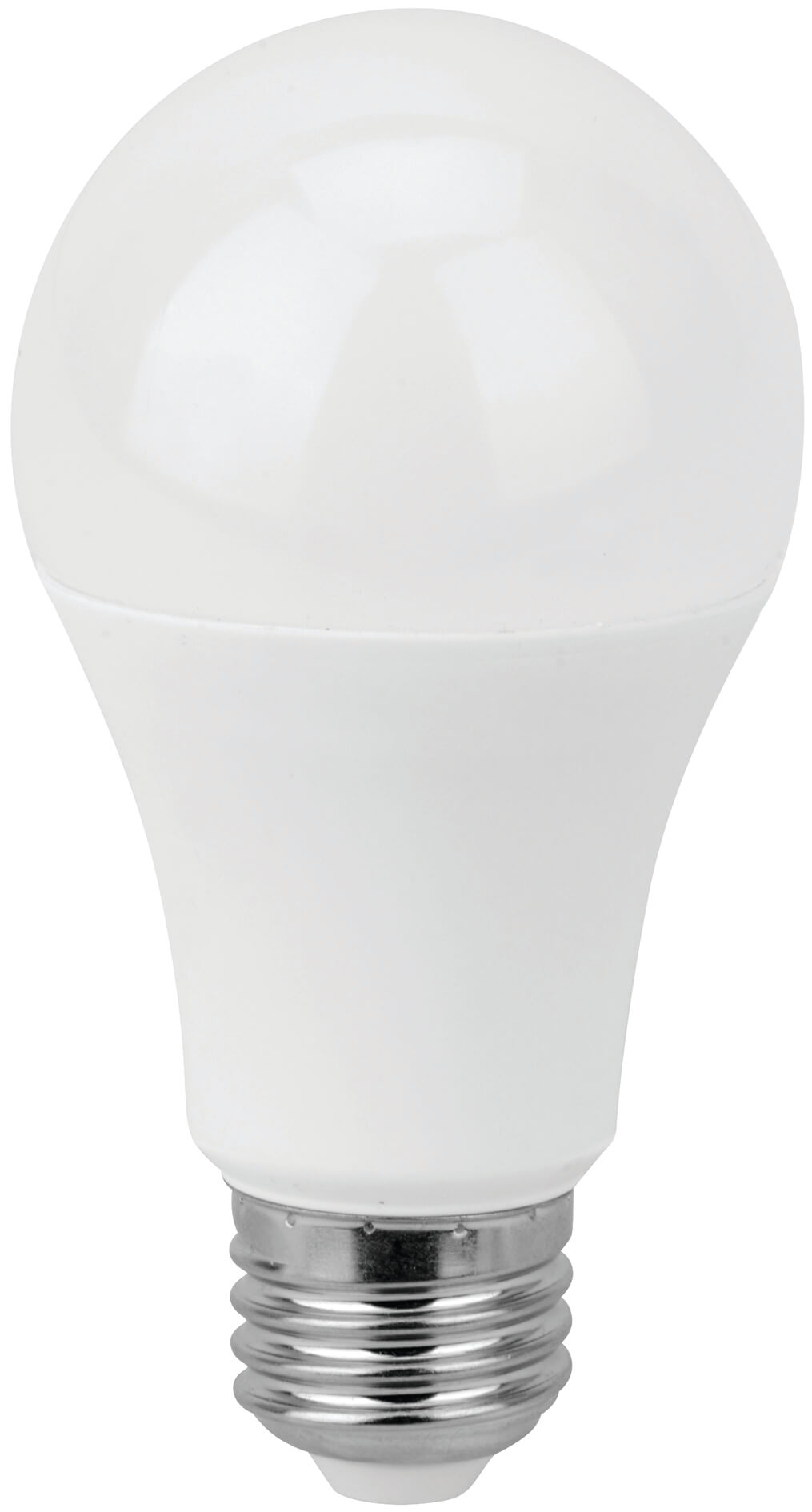
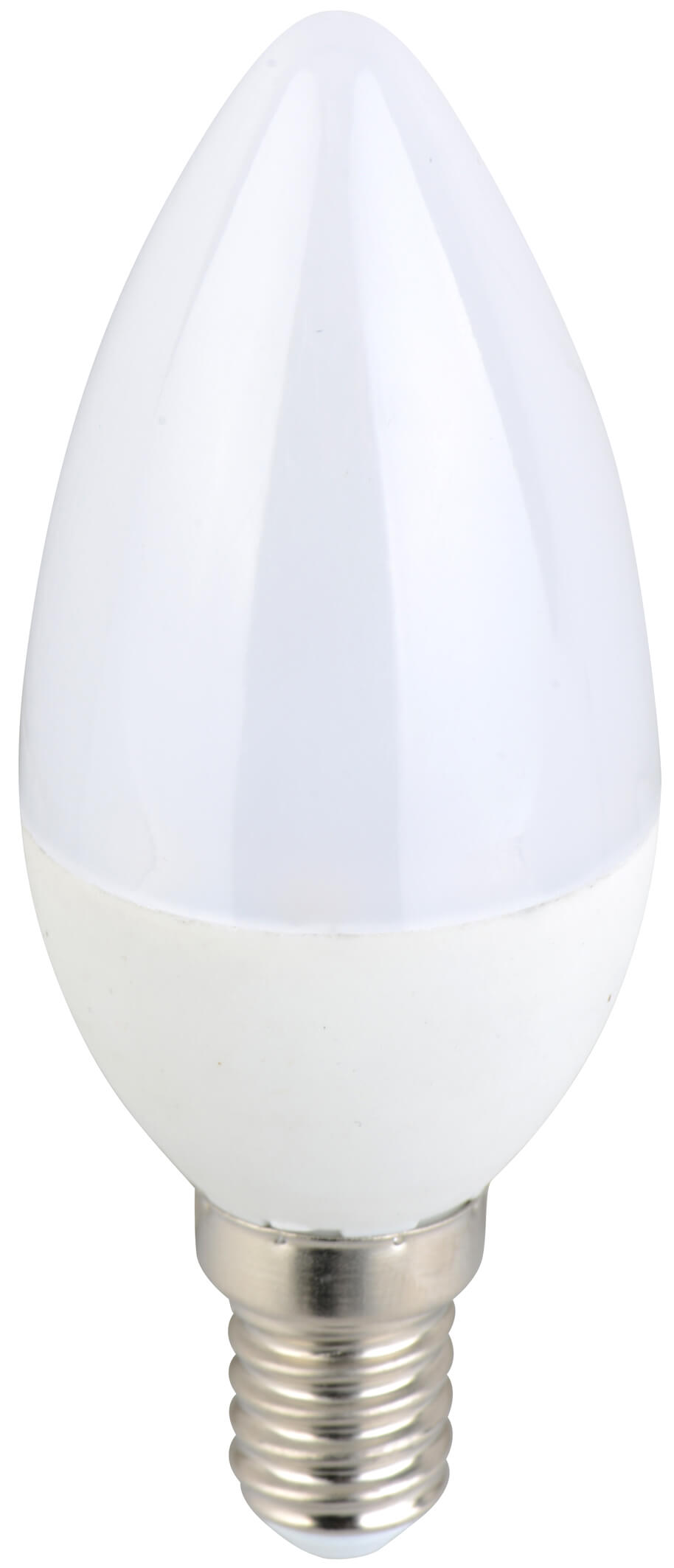
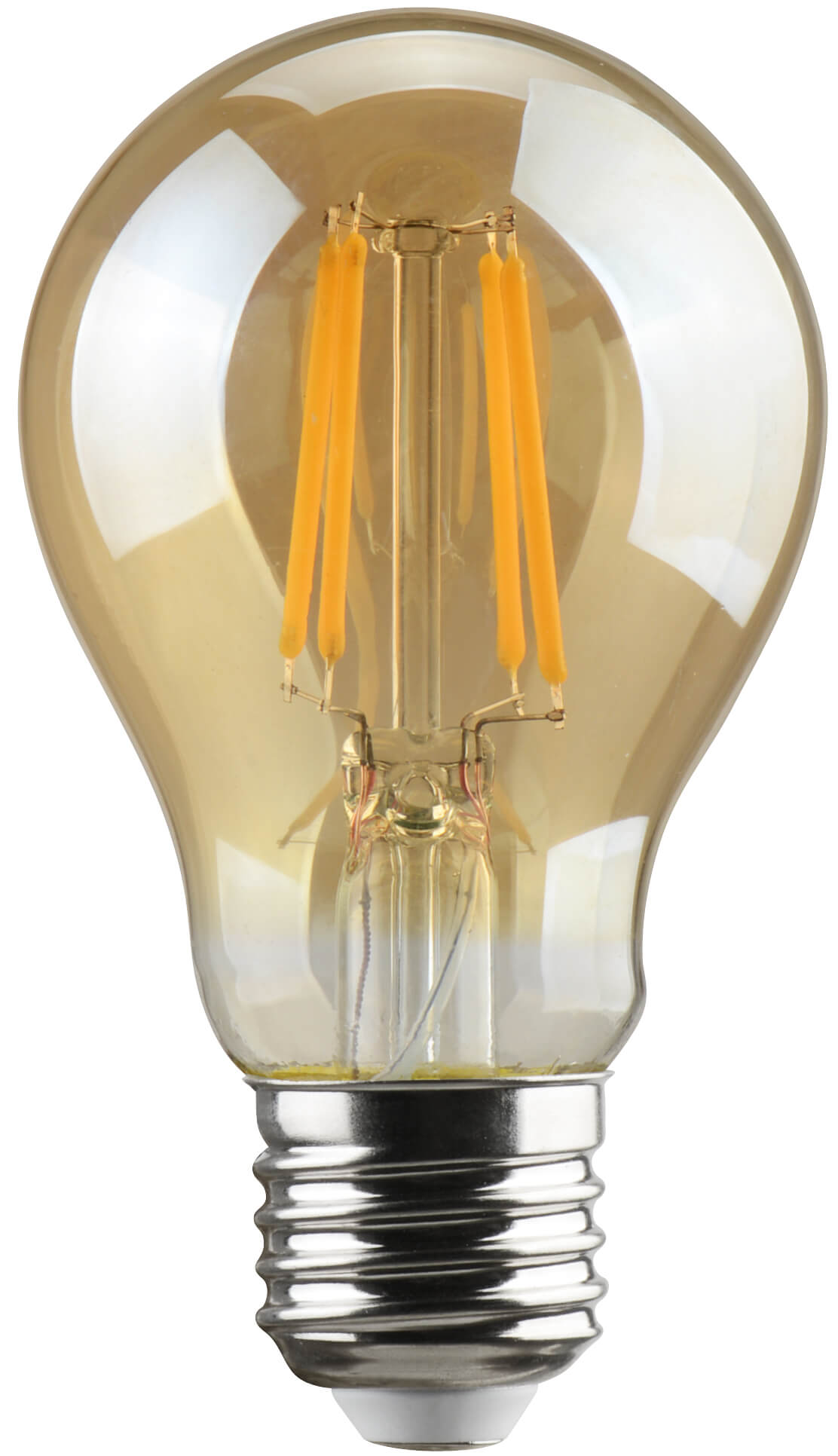
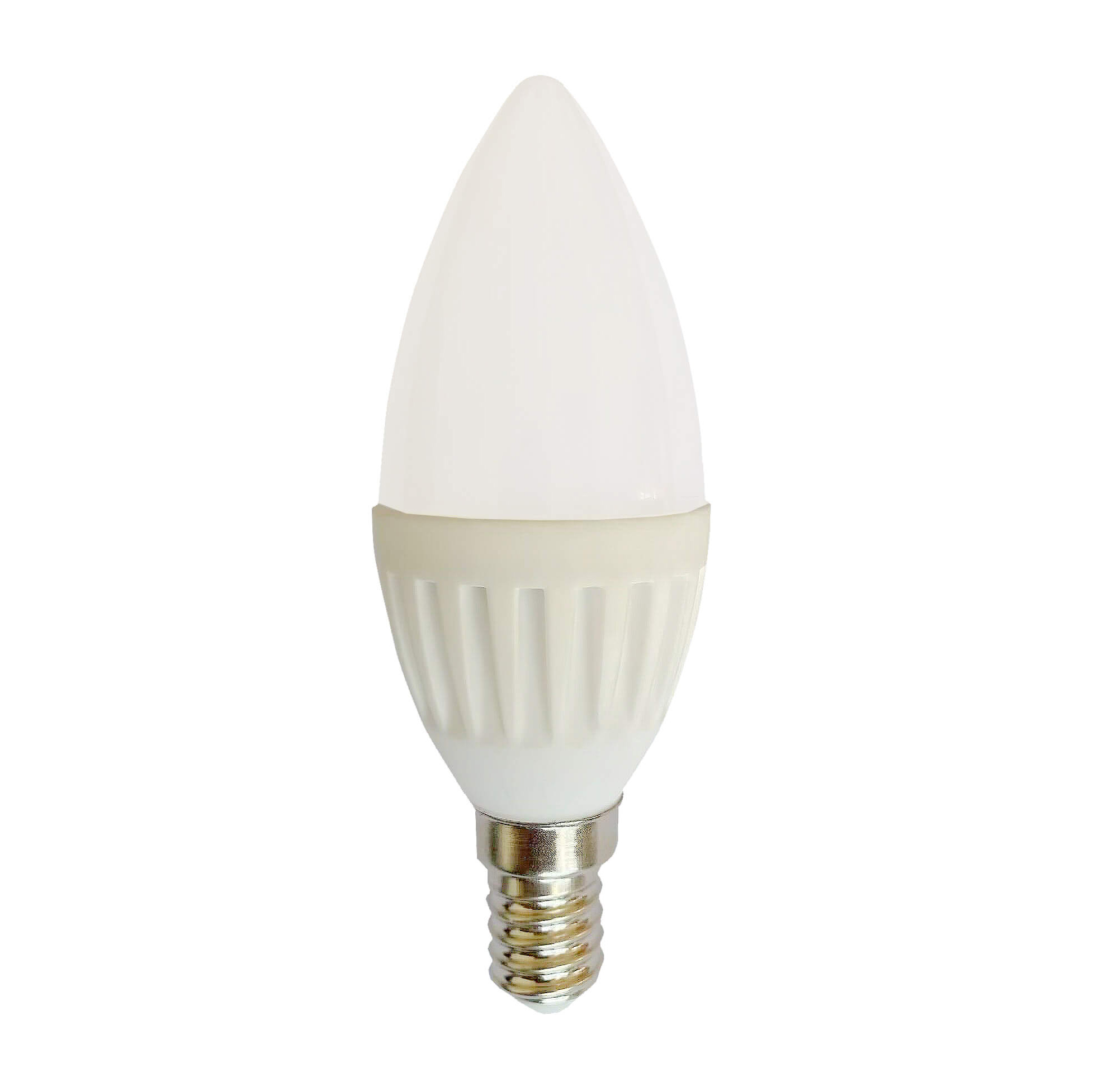
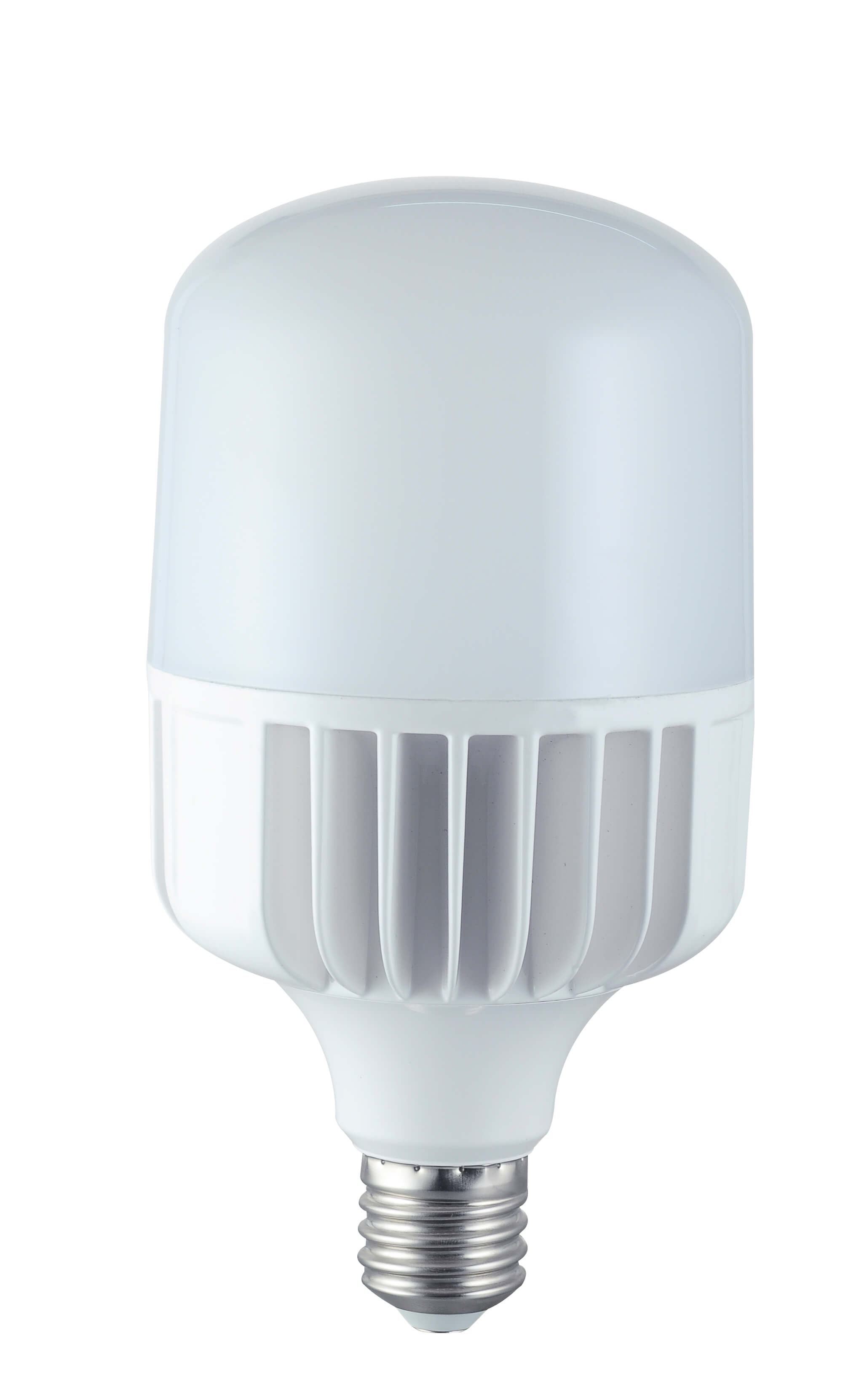
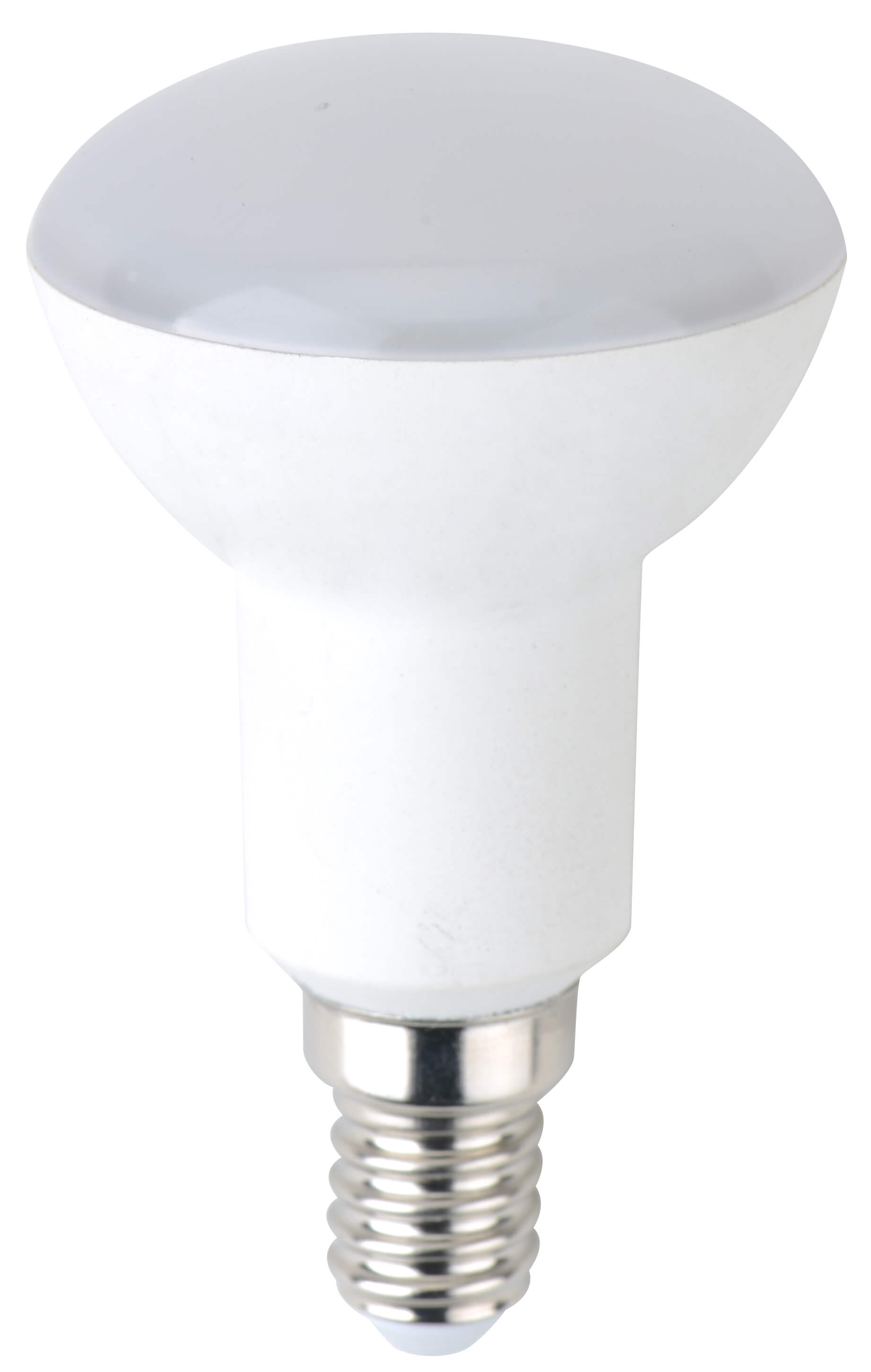
LED stands forLight Emitting Diode, a semiconductor component that converts electrical energy directly into visible light. Unlike traditional incandescent and fluorescent lamps, LEDs are cold light sources with higher efficiency, longer lifespan, and wider applications.
How LED Works
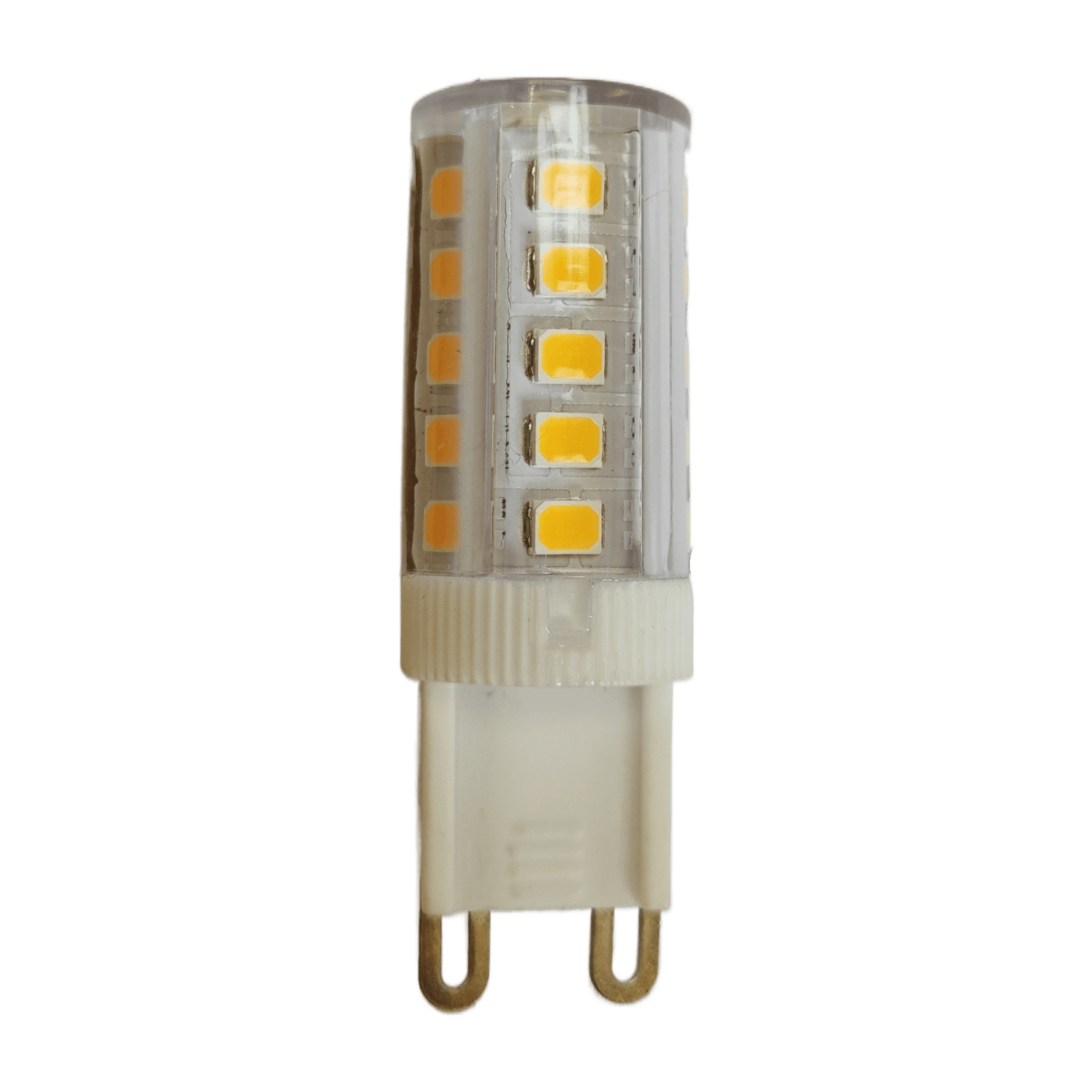
At the core of an LED is a semiconductor PN junction. When electricity passes through, electrons and holes recombine and release energy in the form of photons, producing light. The color of light depends on the semiconductor materials used, making it easy to achieve red, green, blue, white and full-color lighting.
Main Advantages of LED
- Energy Saving: High luminous efficiency, using only about 1/10 of the power of incandescent lamps at the same brightness.
- Long Lifespan: Normally lasts more than 50,000 hours, greatly reducing replacement and maintenance costs.
- Eco-Friendly & Safe: No mercury, no flicker, low heat generation, shock-resistant and durable.
- Flexible Control: Supports dimming, color changing, and smart system integration for various scenes.
- Compact Size: Small chip design allows flexible use in lighting, screens, signs and decorative products.
Common Applications
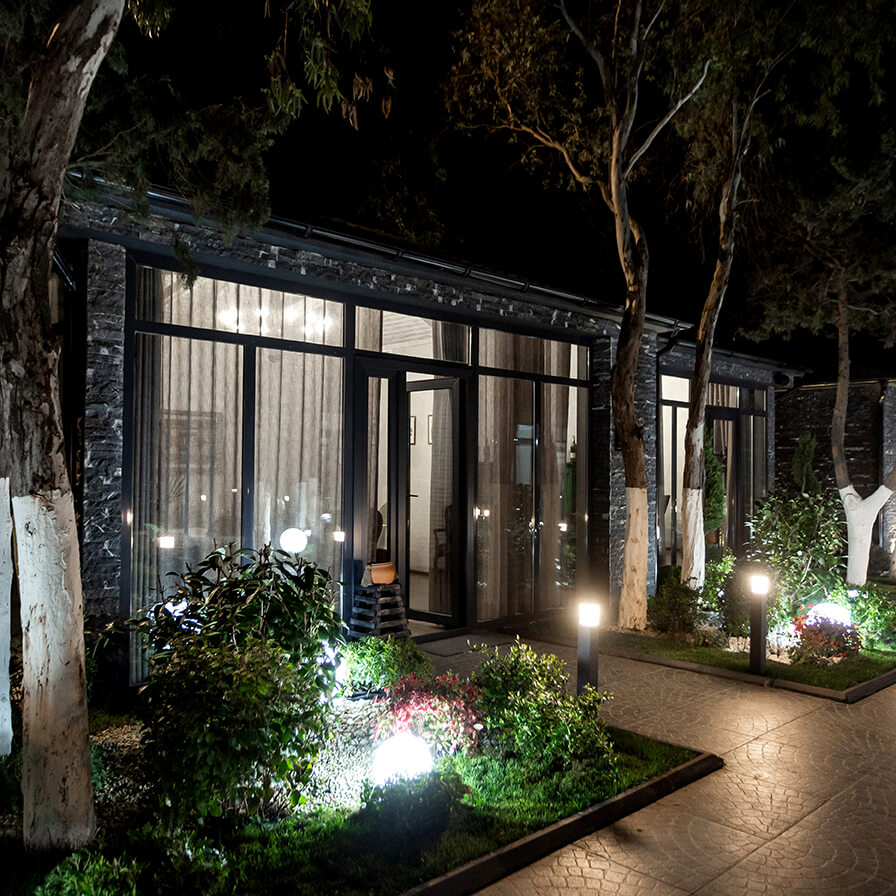
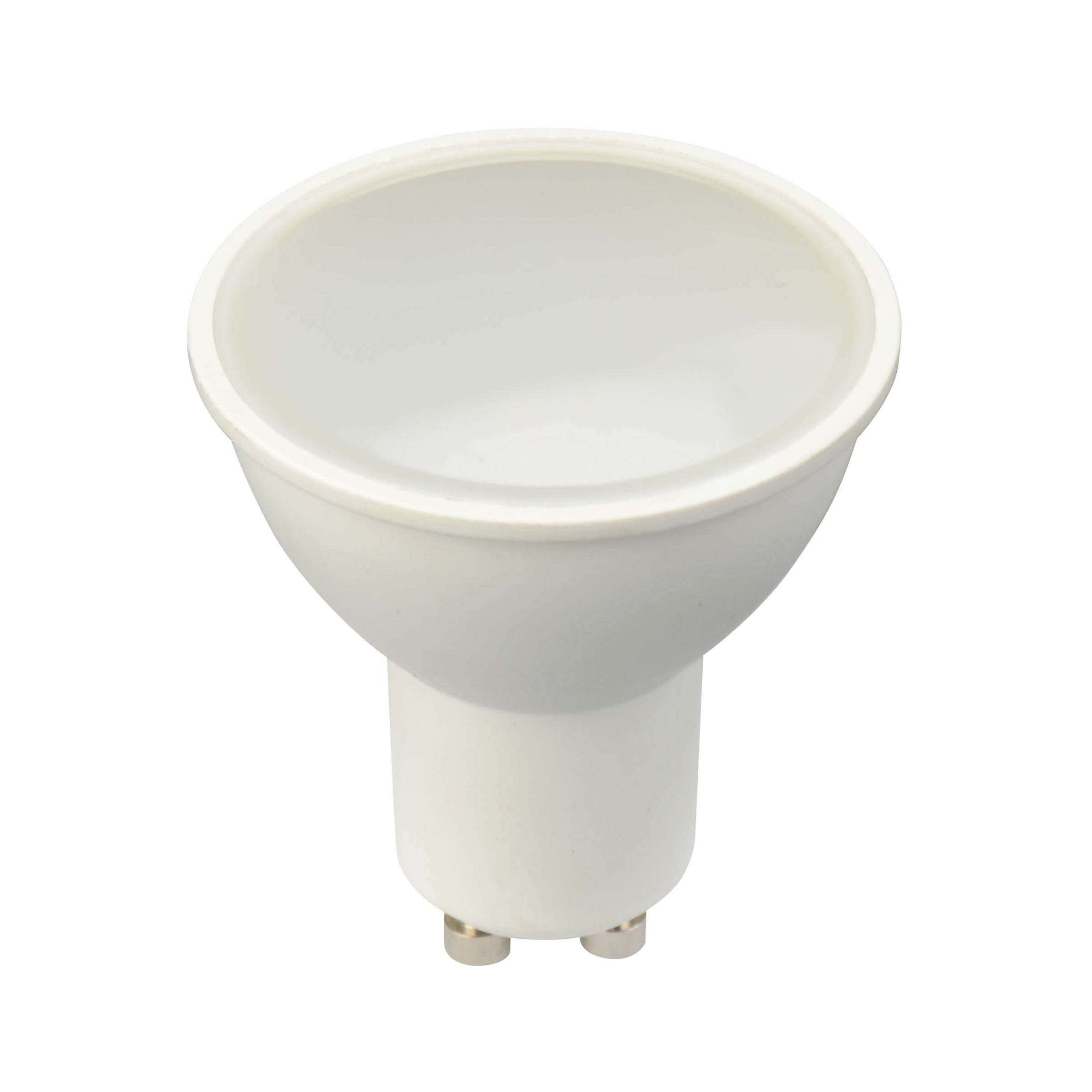
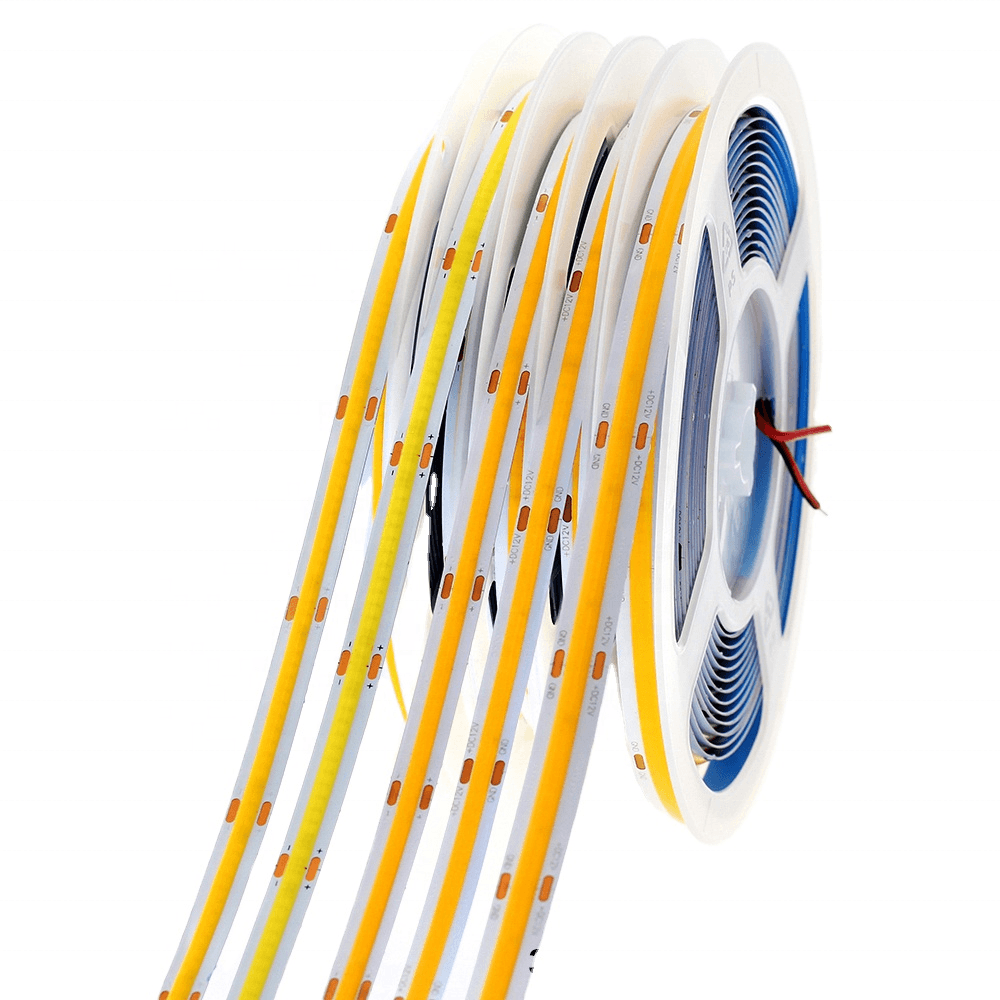
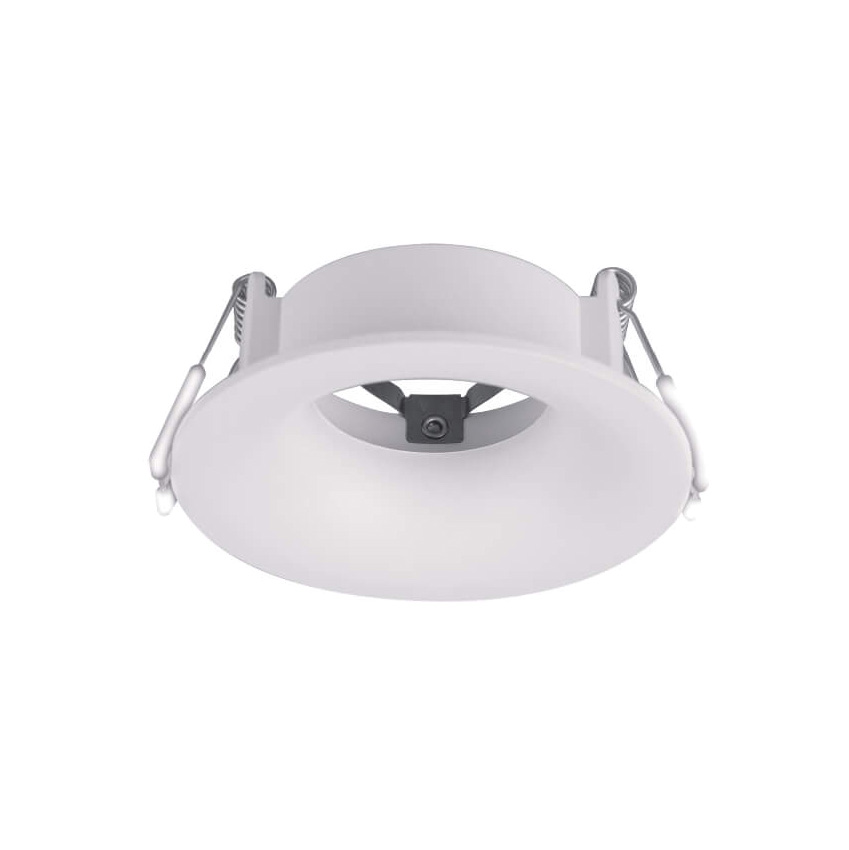
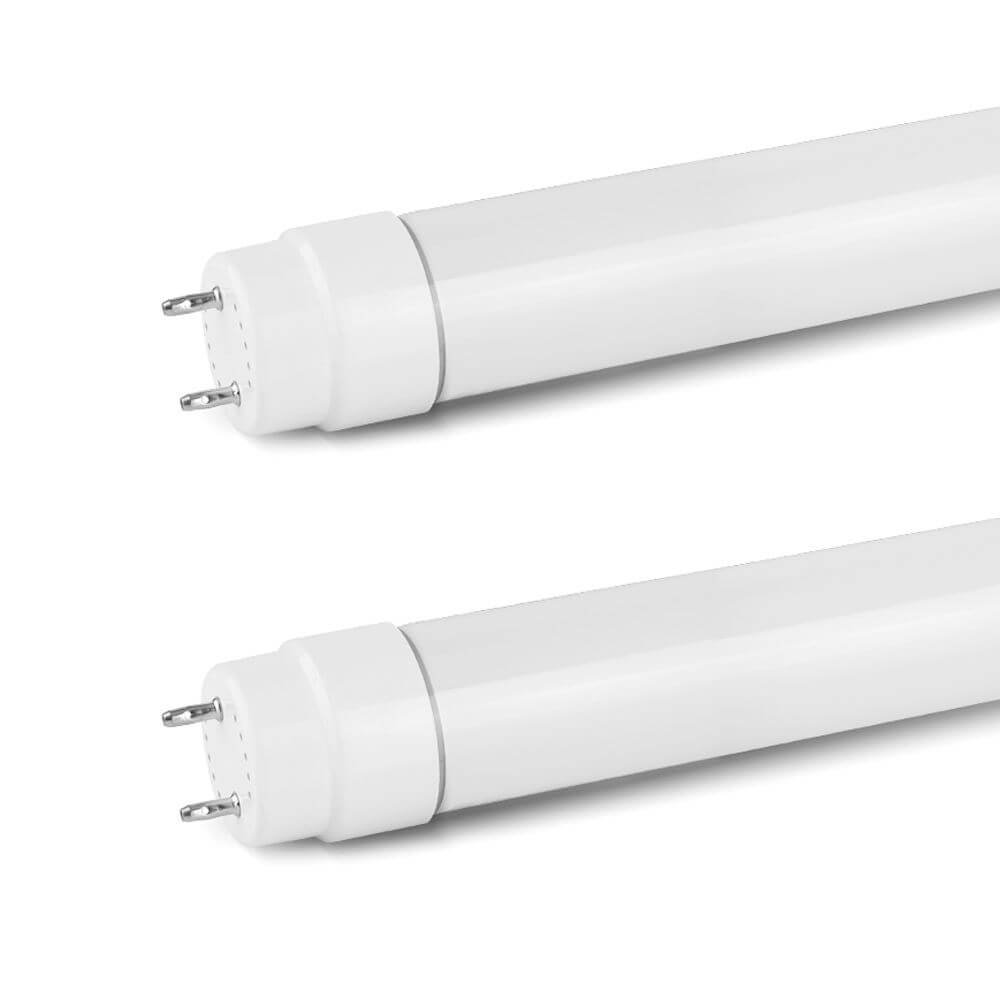
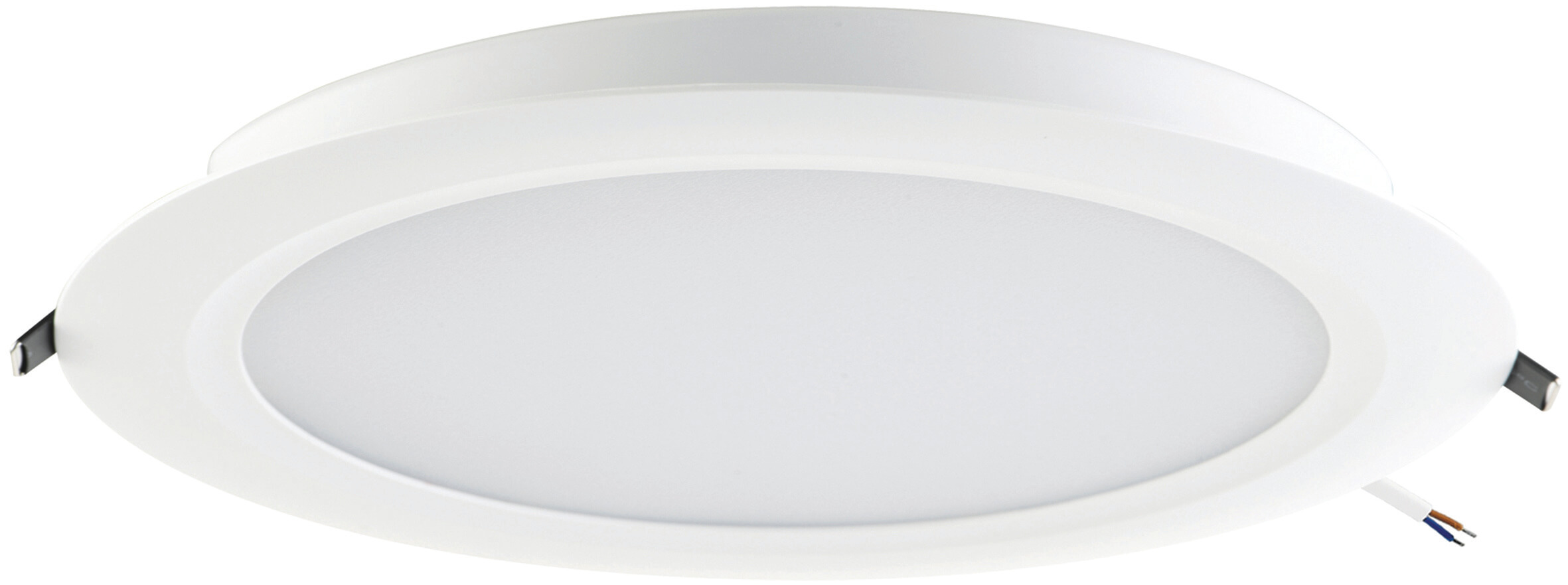
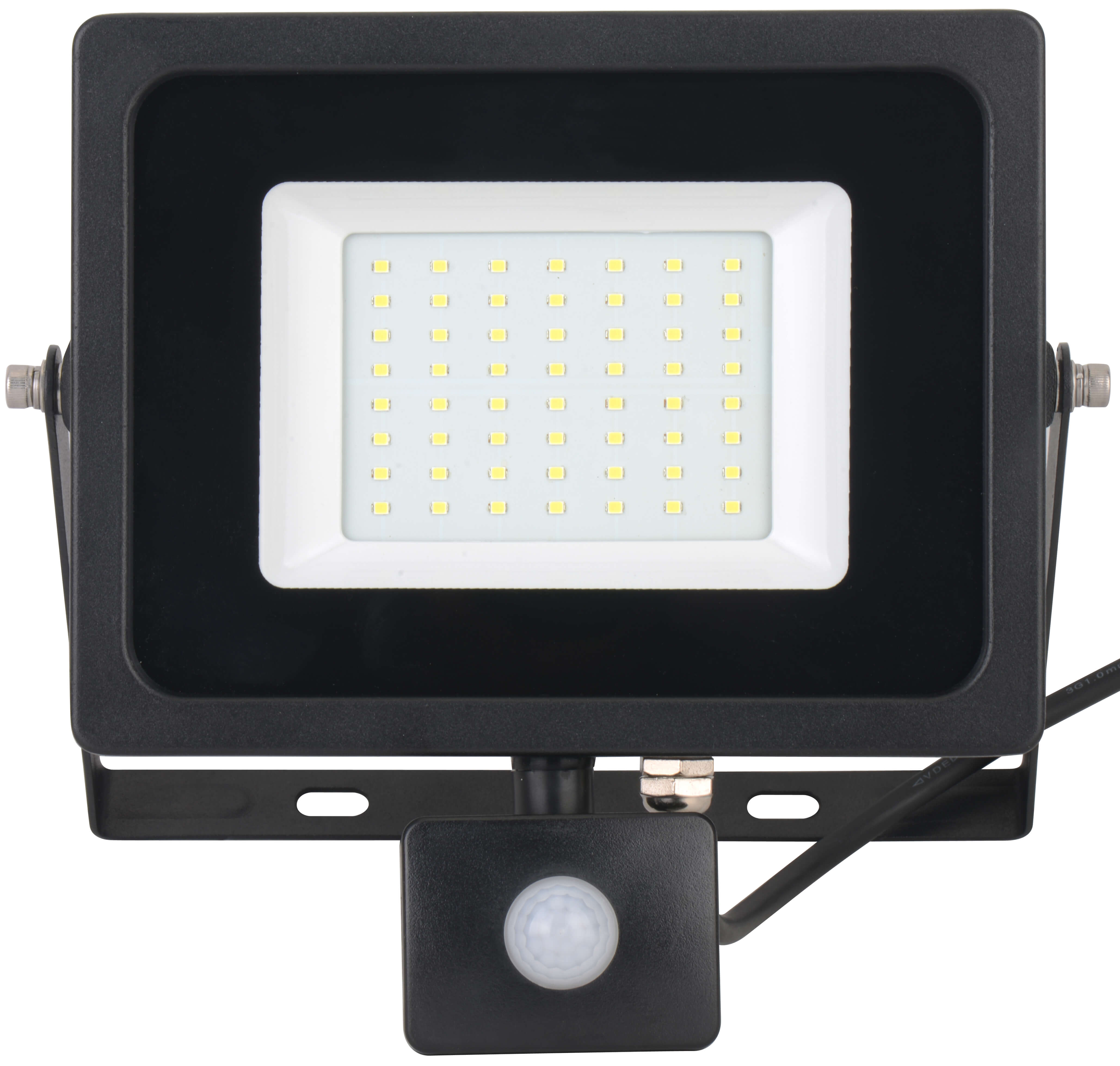
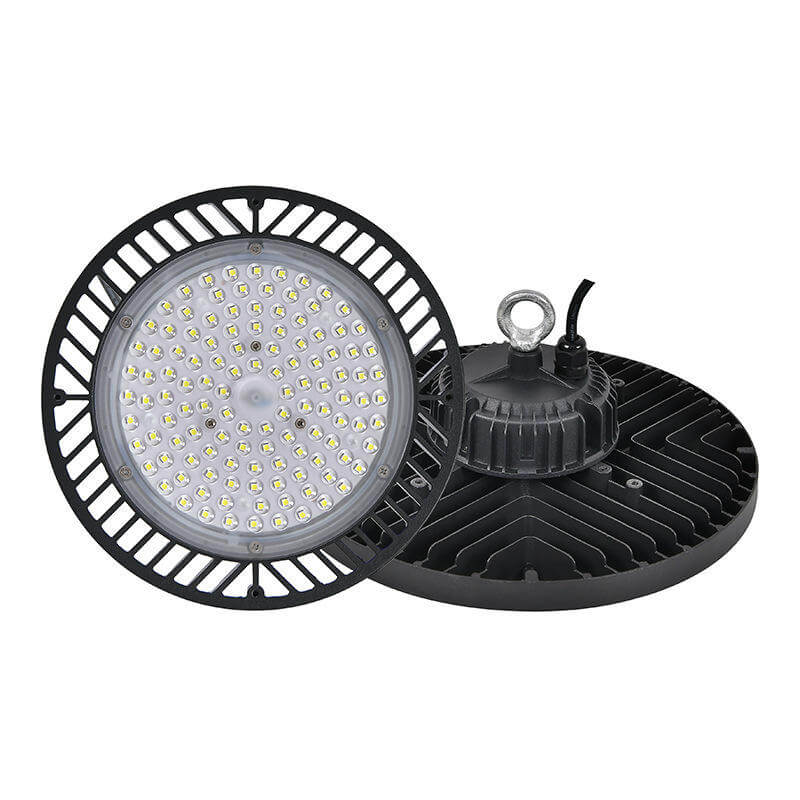
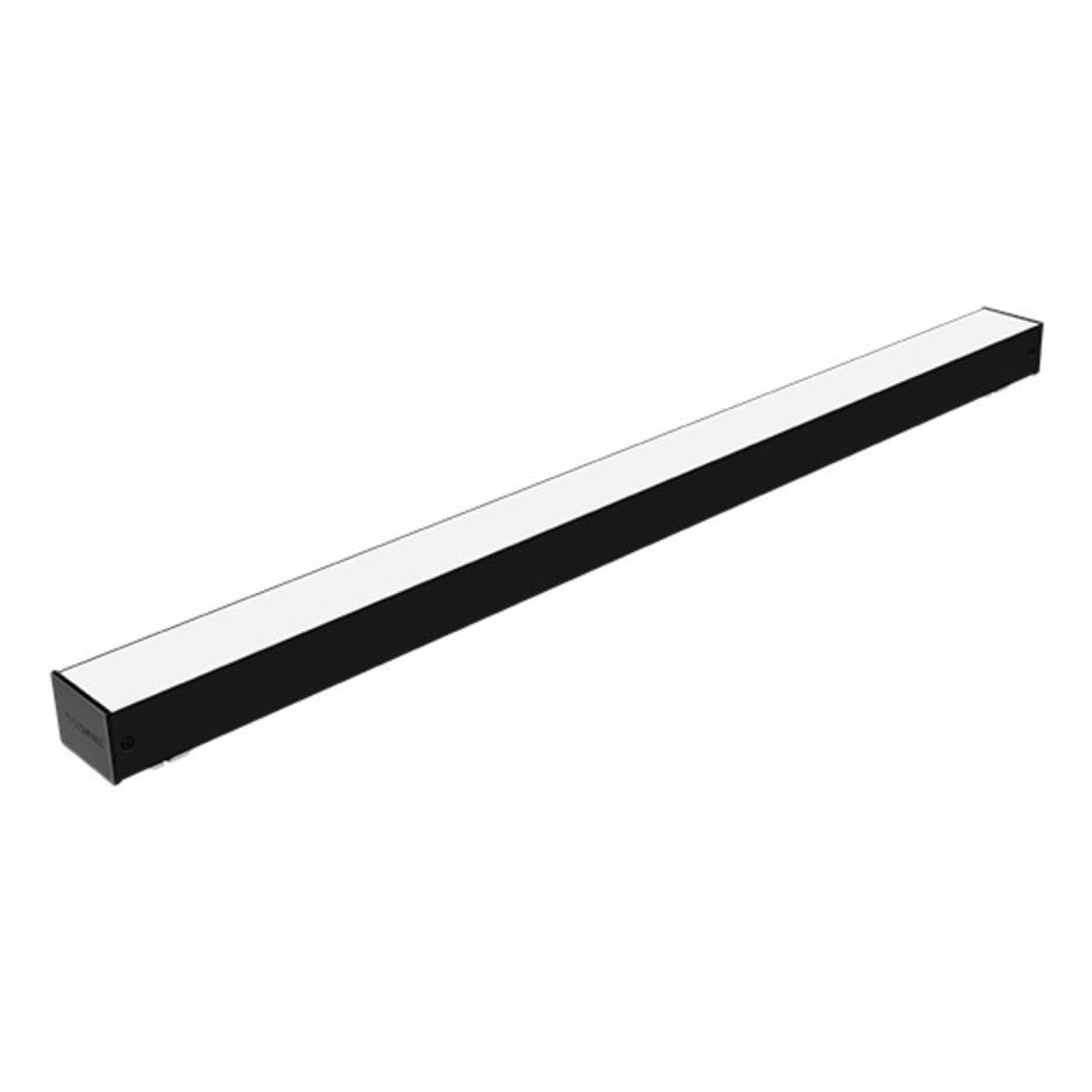
LEDs are widely used in home lighting, commercial displays, traffic signals, automotive lights, landscape decoration, backlight panels, and smart lighting systems. With the development of Mini LED and Micro LED, this technology continues to drive innovation in the global lighting and display industry.

 Home
Home
 Mob
Mob
 Contact
 Email
Email